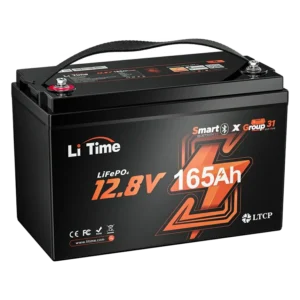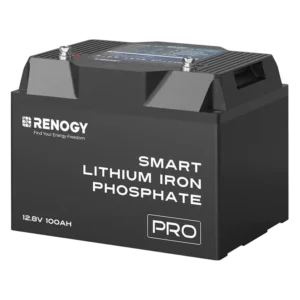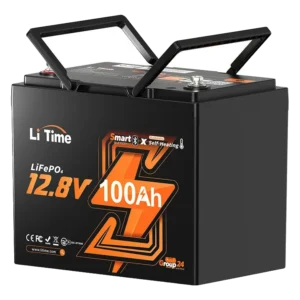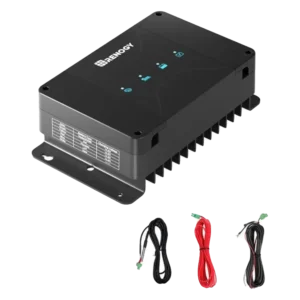
Brand comparison

Renogy vs LiTime

Renogy scores 5.4 across 58 products; LiTime scores 5.4 across 25. They overlap in power inverters, charge controllers, and lifepo4 batteries and others. That is 53% of what Renogy sells and 72% of what LiTime sells. Renogy leads on features, LiTime on lifespan.

All 58 Renogy products
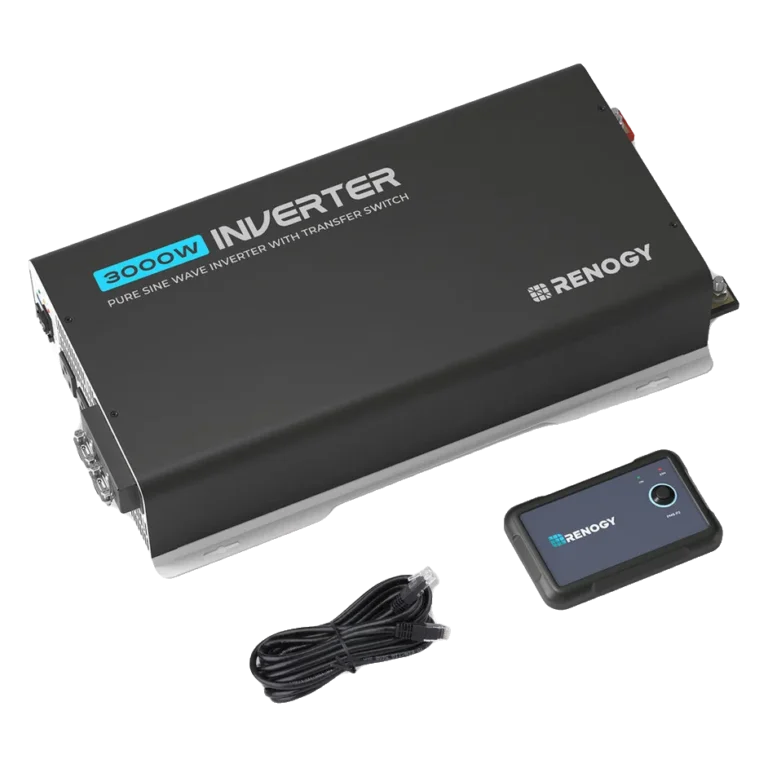
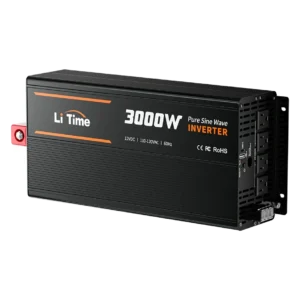
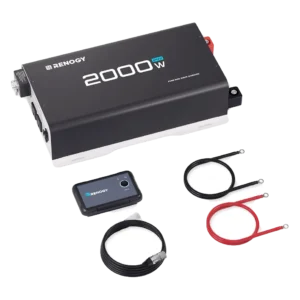
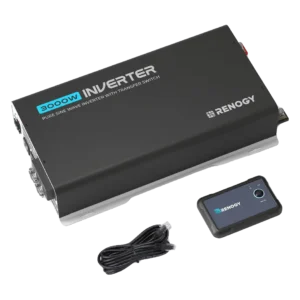
Renogy 3000W 12V Pure Sine Wave Inverter with UPS Transfer Switch and Bluetooth

Renogy

58 of 58 products scored · $90 – $1,089

Buy Now
  • Features — 5.5 against 4.0
  • Warranty & Support — 4.0 against 3.0
5.4
vs
5.4
All 25 LiTime products
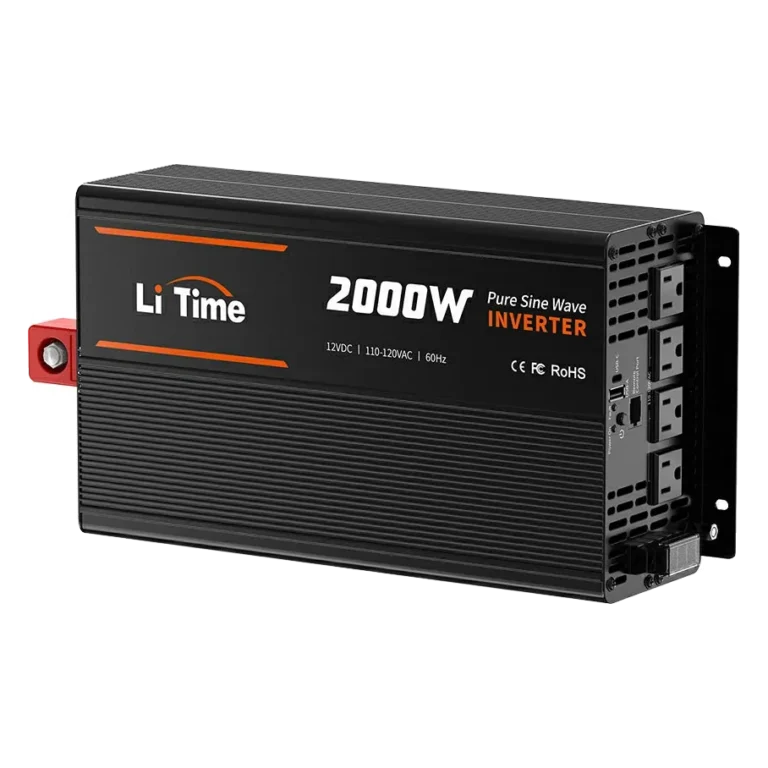
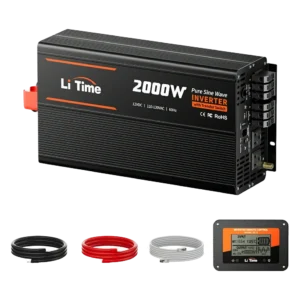
LiTime 2000W 12V Pure Sine Wave Inverter

LiTime

25 of 25 products scored · $133 – $1,026

Buy Now
  • Lifespan — 6.0 against 4.5
  • Efficiency — 6.0 against 5.0

These two are tied across everything we scored.

Both brands also sell into Inverter-Chargers, All-in-One Off-Grid Inverters, and Server-Rack and Wall Batteries. Neither side carries enough scored products there for a median we would publish, so this comparison does not cover them.

Too close to call

tied · 0.03 apart

Level on the overall score. The trade-offs below decide it.

Pick Renogy when

Features matters most5.5vs4.0

Pick LiTime when

Lifespan matters most6.0vs4.5

Scored 12 October 2026 from published specs and owner reviews. We don't buy or test units. How we score

Most common complaints

From owner reviews of each brand's top-scored product in Power Inverters.

Renogy 3000W 12V Pure Sine Wave Inverter with UPS Transfer Switch and Bluetooth

  • Dead after a few months of use, with the warranty claim unresolved (March 2026)
  • Loud fans cycle every 30 minutes in bypass mode (April 2026)
  • Reviews summarized by Amazon as reporting units that kept depleting the battery

LiTime 2000W 12V Pure Sine Wave Inverter

  • Cooling fan loud and load-activated, per one owner
  • Fan runs a lot, per one owner
  • Output voltage drops a little under load, per one owner

What only Renogy sells — and only LiTime

Not a loss for either brand. If you need one of these, the choice is already made.

Where Renogy and LiTime differ

Median scores on a 0–10 scale. Each row is one criterion.

Lifespan

+1.5 LiTime
Renogy
4.5
LiTime
6.0

LiTime all scored 6.0.

Features

+1.5 Renogy
Renogy
5.5
LiTime
4.0

Renogy 1.0–10.0 vs LiTime 1.0–8.0.

Efficiency

+1.0 LiTime
Renogy
5.0
LiTime
6.0

Renogy 1.0–10.0 vs LiTime 2.0–10.0.

Warranty & Support

+1.0 Renogy
Renogy
4.0
LiTime
3.0

Renogy 2 Years (14); LiTime 2 Years (14).

Capacity

tied
Renogy
5.0
LiTime
5.0

Renogy 1.0–10.0 vs LiTime 1.0–10.0.

Operating Range

tied
Renogy
5.0
LiTime
5.0

Renogy: 48 of 58 scored products carry this criterion.

Verification

tied
Renogy
2.0
LiTime
2.0

Renogy 2.0–8.0 vs LiTime 2.0–6.0.

Criterion 8

Renogy
Not enough data
—
LiTime
Not enough data
—

Not enough data on either side. Renogy 0 of 58; LiTime 0 of 25.

The scores above are our reading of the evidence below. This is the evidence.

Safety listings are recorded per product from the certifier's own directory, by model, not from the maker's wording. Most of the listings in this category can be checked in Intertek's directory of listed products.

Warranty terms

Renogy

58 of 58

  • 2 Years 14
  • 5 Years 14
  • 3 Years 11
  • 1 Year 10
  • 10 Years 6

LiTime

25 of 25

  • 2 Years 14
  • 5 Years 11

What Renogy and LiTime owners report

Independent sources pooled per brand. Each row is one source.

N of M = how many scored products carry the brand-level reading shown, out of all scored.

YouTube

+1.0 LiTime
Renogy
6.0
LiTime
7.0

Renogy: 12 of 58 scored products carry this reading; LiTime: 1 of 25 scored products carry this reading.

Source details

Renogy

  • Both channels found carry a tie to the panels they review.
  • Freedom in a Can, which passes on a 10 percent Renogy code through Renogy's affiliate link, found no delamination on two 100 W flexible panels after 9 months and 9,000 miles.
  • Johnny's Weekends, which earns Amazon commission on the panels it links, found Renogy's 200 W flexible panel performed well but trailed a CIGS panel under shade (2023, about 128,000 views).

Brand rollup across scored products.

12 of 58 scored products carry this reading

LiTime

  • Both testers found carry a tie.
  • Cleversolarpower, which links LiTime with affiliate links and a 10% discount code, measured 102.5 Ah and then 103 Ah at 20 A on the Group 24 Bluetooth 100Ah and a 90 mA balancing current (April 2026, about 10,000 views).
  • Will Prowse, whose links carry a LiTime referral code, surge-tested the 100Ah Mini and 460Ah Plus with a 4,000 W inverter and a Victron MultiPlus-II, ran a 268 A continuous load and tore both down (November 2023, about 361,000 views).

Brand rollup across scored products.

1 of 25 scored products carry this reading

Reddit

tied
Renogy
5.0
LiTime
5.0

Renogy: 7 of 58 scored products carry this reading; LiTime: 7 of 25 scored products carry this reading.

Source details

Renogy

  • In a July 2025 r/vandwellers thread one owner calls a Renogy 2000 W inverter fantastic, another reports a 2000 W inverter without issues after more than 4 years, and a third is in year three with a 3000 W inverter-charger working mostly flawlessly.
  • In the same thread a full-timer's 3 kW inverter output terminal snapped while being wired, and an owner with a full Renogy system since 2019 says the inverter-charger trips a 20 A shore circuit and a support ticket sat open over 30 days.
  • An r/solar post titled 'Avoid Renogy' reports a PUH 2000 W inverter dead on first use from bad soldering on the switch board (August 2025), and a 2020 r/vandwellers thread reported inverter-chargers whose automatic neutral-to-ground bonding circuit did not work.

Brand rollup across scored products.

7 of 58 scored products carry this reading

LiTime

  • Reddit owners split on LiTime and Ampere Time 12 V batteries.
  • In an r/vandwellers thread an owner calls his Ampere Time 100Ah fantastic (July 2024), and replies in an r/SolarDIY thread on 24 V banks say LiTime batteries have been torn down many times and the build quality is excellent (March 2026).
  • Against that, an r/boating owner's 100Ah lost its BMS after 10 cycles and LiTime, having agreed it was defective, stopped answering about the return (October 2025), and an r/OffGrid owner of 16 Ampere Time batteries reports BMS failures at 1.5 years and a support team that blamed his charging and wiring (January 2024).

Brand rollup across scored products.

7 of 25 scored products carry this reading

Google

tied
Renogy
5.0
LiTime
5.0

Renogy: 9 of 58 scored products carry this reading; LiTime: 1 of 25 scored products carry this reading.

Source details

Renogy

  • Footprint Hero, which links Renogy panels through Amazon and through Renogy's own affiliate program, ranked Renogy's older 100 W mono panel first of five 100 W panels it tested: 71.6 W peak in a December output test (2021) and 570 Wh over 24 hours against 490 Wh from a Newpowa (2023).
  • On DIY Solar Forum, a 2022 thread opens with an owner whose Renogy gear still works after a decade, while a thread titled 'I only get 85W out of my Two Renogy 100W panels' reports one panel as low as 40 percent of rating and four averaging 54 percent.

Brand rollup across scored products.

9 of 58 scored products carry this reading

LiTime

  • On DIY Solar Forum an owner's 24 V 3000 W all-in-one stopped PV charging after a month and later ran too hot to touch while switched off with panels connected (April 2025)
  • A second owner on his replacement unit reports breaker trips on utility charging, menus he cannot reach and loads that stall on low settings (June 2025).
  • In a marine thread an owner notes the newer 5000 W inverter-chargers carry an internal ground-switching relay (November 2025).

Brand rollup across scored products.

1 of 25 scored products carry this reading

Amazon

tied
Renogy
7.0
LiTime
7.0

Renogy: 4 of 58 scored products carry this reading.

Source details

Renogy

  • Renogy's LiFePO4 listings on Amazon US hold far smaller pools than its panels.
  • The Core Mini 100Ah reads 4.5 from 45 ratings, 83 percent five-star against 9 percent one-star, and the Pro 100Ah reads 4.4 from 10.
  • The DuoHeat Core Mini 100Ah reads 4.0 from 9, split 76 percent five-star against 24 percent one-star.

Brand rollup across scored products.

4 of 58 scored products carry this reading

Owner reviews

Renogy
Not enough data
—
LiTime
Not enough data
—

Not enough data on either side. Renogy: 1 of 58 scored products carry this reading; LiTime: 0 of 25 scored products carry this reading.

Best Renogy vs best LiTime, category by category

The three best-scoring products each brand sells in every category they both compete in, ranked by overall score.
Renogy5.5
8 products
LiTime4.6
4 products
Renogy leads
5.7
Overall
Usability6.1
Social5.3

1st of 12 in Inverters

Strengths
  • Built-in 30 A transfer switch20 ms each way
  • Bluetooth built inread through the Renogy app
  • Hardwire AC terminal block plus an integrated GFCI
  • No-load draw under 18 Wabout 6 W per kW
Drawbacks
  • 1-year material and workmanship warranty
  • No power-saving or search mode published
  • Surge of 6,000 W lasts only 2 seconds
  • 87 percent efficiency at full load against the 92 percent peak
5.0
Overall
Usability4.6
Social5.3

9th of 12 in Inverters

Strengths
  • No-load draw under 9 W4.5 W per kW
  • Hardwire LN and G AC terminals
  • Four AC outlets plus USB-A and USB-C
  • Wired LCD remote on a 14.76 ft cable
Drawbacks
  • Efficiency is 85 to 95 percent on the spec table but at least 90 percent in the manual
  • Weight is 11.37 lb on the spec table but 9.04 lb in the manual
  • No GFCI on the outlets or hardwire terminals
  • No search modetransfer switch or parallel operation
5.7
Overall
Usability6.1
Social5.3

1st of 12 in Inverters

Strengths
  • EcoSleep mode cuts no-load draw to under 10 W
  • Bluetooth built in for the DC Home app
  • 6,000 W surge for 100 ms
  • Hardwire AC terminal plus GFCI outlets
Drawbacks
  • Peak efficiency of 90 percent87 percent at full load
  • No built-in transfer switch
  • No parallel operation stated
  • Long-range monitoring needs a Renogy ONEsold separately
4.8
Overall
Usability4.5
Social5.0

10th of 12 in Inverters

Strengths
  • 6,000 W surgetwice its rating
  • Four AC outlets plus a hardwire AC terminal block
  • Wired LCD remote shows wattsvolts and battery level
  • USB-C port rated up to 12 V 1.5 A
Drawbacks
  • Efficiency is 85 to 95 percent on the page and 90 percent or more in the manual
  • LiTime publishes no no-load draw
  • Ships with 4 AWG cablesthe manual recommends 1/0 AWG
  • No GFCItransfer switch, search mode or parallel operation
5.6
Overall
Usability5.2
Social6.0

3rd of 12 in Inverters

Strengths
  • Power consumption under 19.2 W9.6 W per kW of rating
  • 92 percent peak efficiency89 percent at full load
  • Hardwire terminal block beside two GFCI-protected outlets
  • Wired remote on/off switch included
Drawbacks
  • 1-year material and workmanship warranty
  • No Bluetooth or app monitoring
  • No power-saving or search mode
  • No built-in transfer switch
4.4
Overall
Usability4.1
Social4.8

11th of 12 in Inverters

Strengths
  • Switches loads to battery within 20 ms of a grid failure
  • Grid input takes 90 to 144 V AC through its own breaker
  • Wired LCD remote shows wattsvolts and battery level
  • USB-C port rated up to 12 V 1.5 A beside a 5 V 2.4 A USB-A
Drawbacks
  • Rated 90 percent efficiency or moreshort of the 91 percent rung
  • LiTime publishes no no-load draw
  • Does not charge the battery from grid power
  • No GFCIsearch mode or parallel operation
Renogy5.8
8 products
LiTime5.5
3 products
Renogy leads
6.6
Overall
Usability7.4
Social5.8

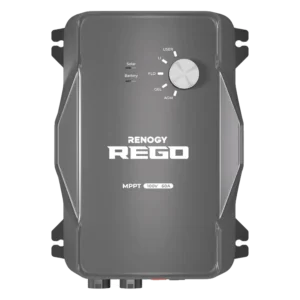
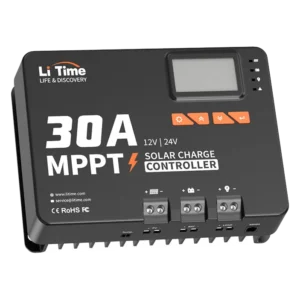
1st of 11 in Controllers

Strengths
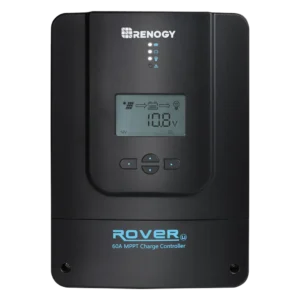
  • 60 A from up to 800 W of solar on a 12 V bank
  • Bluetooth built inwith RV-C and Modbus
  • Temperature sensor includedby the product page
  • Self-consumption of 0.5 W or less
Drawbacks
  • 100 V PV open-circuit limit
  • 12 V batteries only
  • A non-REGO battery needs an Anderson-to-ring cablesold separately
  • Renogy's 2025 G2 manual puts efficiency at about 92 to 95 percent, under the datasheet's 98
6.2
Overall
Usability6.0
Social6.3

3rd of 11 in Controllers

Strengths
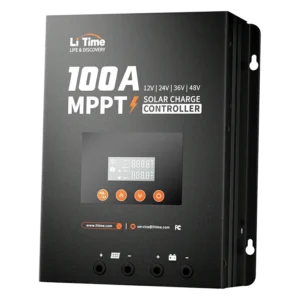
  • 100 A into 1224, 36 or 48 V banks
  • 98 percent maximum conversion efficiency
  • Up to 6,000 W of panels at 48 V
  • Bluetooth app with password-locked settings
Drawbacks
  • No DC load output
  • 150 V maximum PV input
  • IP21 case is for dryindoor mounting
  • No parallel or networked operation stated
6.4
Overall
Usability7.1
Social5.7

2nd of 11 in Controllers

Strengths
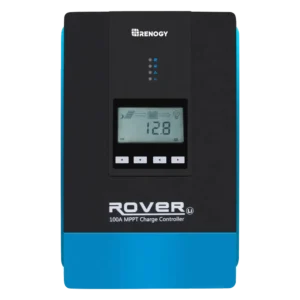
  • 98 percent peak conversion efficiency
  • Up to 16 controllers in parallel over RJ45 cable
  • 20 A load output with timer control
  • Battery temperature sensor in the box
Drawbacks
  • Product page gives a 140 V solar limitits manual 145 V and its FAQ 150 V
  • Bluetooth only through a separately sold BT-1 or BT-2 module
  • Manual limits the temperature sensor to lead-acid batteries
  • 0.7 to 1.2 W self-consumption against 0.18 W on Renogy's Rover Lite
5.5
Overall
Usability4.7
Social6.3

9th of 11 in Controllers

Strengths
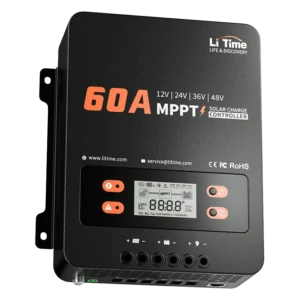
  • 60 A into 1224, 36 or 48 V banks
  • 30 A DC load output
  • Up to 3,480 W of panels at 48 V
  • Stops lithium charging below 32°F with its sensor
Drawbacks
  • No Bluetooththe Bluetooth model is $229.99
  • 96 percent peak conversion efficiency
  • Manual reserves the custom battery type for testing
  • PV limit is 150 V on the page200 V in the manual
6.0
Overall
Usability6.3
Social5.7

4th of 11 in Controllers

Strengths
  • 100 A charge current200 A with two paralleled
  • Up to 5,200 W of panels on a 48 V bank
  • 98 percent peak conversion efficiency
  • Temperature sensor and paralleling cable in the box
Drawbacks
  • No DC load output
  • Solar limit falls from 150 V at 25 °C to 140 V at -25 °C
  • 2.7 to 2.9 W self-consumption
  • Bluetooth only through a separately sold module
5.4
Overall
Usability4.5
Social6.3

10th of 11 in Controllers

Strengths
  • Bluetooth built inread in the LiTime Solar app
  • 20 A DC load output with timer and dusk modes
  • USE battery type sets charge voltages by hand
  • Stops lithium charging below 32°F with its sensor
Drawbacks
  • 100 V maximum PV input limits series strings
  • Page claims 98 percentmanual gives 97 percent
  • No parallel or networked operation stated
  • IP32 case is for dryindoor mounting
Renogy5.5
8 products
LiTime5.9
8 products
LiTime leads
5.7
Overall
Usability5.7
Social5.8

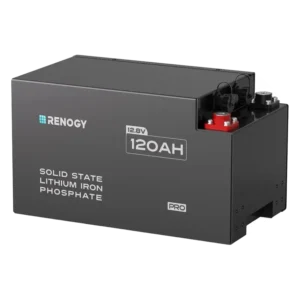
8th of 16 in LiFePO4

Strengths
  • 150 A continuous and 350 A for 30 seconds
  • Up to 4 in series and 4 in parallel48 V and 24.576 kWh at most
  • Two RJ45 CAN ports plus built-in Bluetooth
  • 85 W heaterabout 2 hours from -4 °F to 32 °F by the manual
Drawbacks
  • Semi-solid-state is Renogy's own descriptionit publishes only "about 70 percent less liquid electrolyte"
  • Heater runs only while charge current stays above 10 A
  • Renogy's warranty document calls the 7 years proratedthe product page says only 7 years
  • CAN cables and termination resistors sold separately
6.2
Overall
Usability5.7
Social6.8

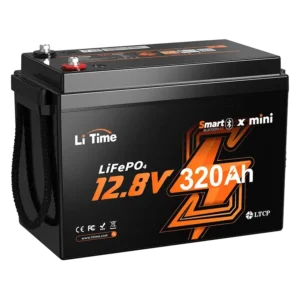
1st of 16 in LiFePO4

Strengths
  • 71.6 Wh per pound at 57.17 lb
  • Bluetooth 5.0 app monitoring built in
  • Charging stops below 32°F and resumes at 41°F
  • IP65 case
Drawbacks
  • 200 A BMS is 0.63C on 320 Ah
  • No CAN or RS485 communication port
  • No self-heatingthe heated 320Ah Mini is a separate model
  • Cycle rating publishes no end-of-life capacity
5.6
Overall
Usability5.2
Social6.0

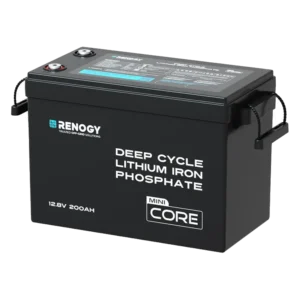
9th of 16 in LiFePO4

Strengths
  • 2,560 Wh at 42.44 lb60.3 Wh per pound
  • 200 A continuous BMS with a 380 A peak for 10 seconds
  • IP65 case
  • Up to four in series and eight in parallel16 as 4S4P
Drawbacks
  • No heater: charging stops below 32°F
  • No Bluetooth or communication portmonitoring needs a separate shunt
  • Cycle rating is at 80 percent depth of dischargenot 100 percent
  • Charge current capped at 100 A
6.1
Overall
Usability5.6
Social6.5

2nd of 16 in LiFePO4

Strengths
  • 2,112 Wh in a Group 31 case
  • 65.7 Wh per pound at 32.15 lb
  • Bluetooth monitoring built in
  • Charging stops below 32°F and resumes at 41°F
Drawbacks
  • No heating: charging stops below 32°F
  • No CAN or RS485 communication port
  • No end-of-life capacity published for the cycle rating
  • No manual linked from the product page
5.6
Overall
Usability5.2
Social6.0

9th of 16 in LiFePO4

Strengths
  • 55 W self-heating pad that runs below 41 °F with at least 4 A of charge current
  • Bluetooth built inread through the Renogy app
  • IP67 case in UL94 V-0 flame-retardant PC/ABS
  • 245 A for 30 seconds from a 100 A continuous BMS
Drawbacks
  • Parallel onlyRenogy states it cannot be wired in series
  • No CAN or RS485 port for closed-loop inverter communication
  • 47.6 Wh per pound at 26.9 lb
  • Renogy's warranty document calls the 7 years proratedthe product page says only 7 years
6.0
Overall
Usability5.2
Social6.8

3rd of 16 in LiFePO4

Strengths
  • 100 W heating padscharging down to -4°F
  • Heats from the battery's own charge above 20 percent
  • Bluetooth 5.0 monitoring and heating-mode control
  • 500 A surge for 1 second on a 100 A BMS
Drawbacks
  • Regular heating mode needs a charger supplying at least 10 A
  • Heating takes 100 to 150 minutes from -4°F
  • No CAN or RS485 communication port
  • No end-of-life capacity published for the cycle rating
Renogy5.1
7 products
LiTime4.4
3 products
Renogy leads
6.2
Overall
Usability6.4
Social6.0

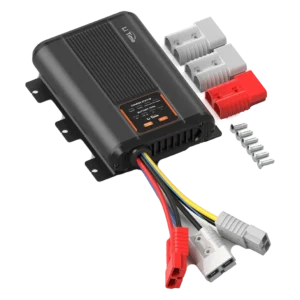
1st of 10 in DC-DC

Strengths
  • 50 A from the alternator or up to 660 W of solar
  • Solar input up to 50 Vso two 12 V panels can run in series
  • Smart-alternatorEuro 6) mode from 12 V input
  • Charge current settable from 50 A down to 10 A
Drawbacks
  • Product page warranty of 2 years against 3 years for the G7 in Renogy's warranty document
  • 94 percent efficiency on the product pageagainst 'up to 97 percent' in the manual
  • Bluetooth only through the separately sold BT-2 module
  • Solar and alternator each capped at 25 A when both are charging
4.6
Overall
Usability4.2
Social5.0

5th of 10 in DC-DC

Strengths
  • Built-in MPPT solar input up to 600 W
  • ACC ignition wire for smart alternators
  • Reverse charge tops up a flat starter battery
  • Standby draw under 10 mA
Drawbacks
  • Solar input tops out at 30 Vso 12 V panels must run in parallel
  • Charging efficiency of up to 93 percent
  • No Bluetooth or app monitoring
  • Not waterproofby LiTime's own Amazon listing
6.1
Overall
Usability6.6
Social5.7

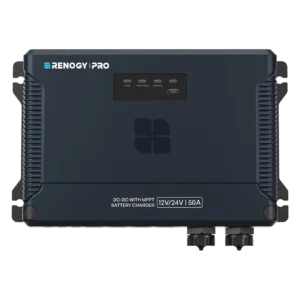
2nd of 10 in DC-DC

Strengths
  • 750 W nominal output50 A at 12 V or 25 A at 24 V
  • IP67 rating
  • Bluetooth built inwith RV-C/CAN
  • Solar input up to 50 V and 750 W through MPPT
Drawbacks
  • Nominal charging efficiency of at least 94 percent at 12 V, 92 percent at 24 V
  • Renogy's current warranty document does not list this model
  • No galvanic isolation or parallel operation published
  • Idle draw under 50 mA in the manual against 20 mA on the product page
4.4
Overall
Usability4.6
Social4.3

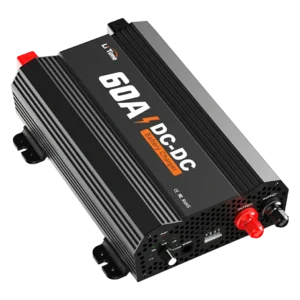
7th of 10 in DC-DC

Strengths
  • 768 W output60 A at 12.8 V
  • Selectable 60 A or 30 A output through the LC port
  • D+ port takes an ignition feed so it charges only with the engine on
  • DC Load mode powers 12 V loads directly
Drawbacks
  • Charging efficiency of up to 90 percent
  • No solar input
  • No Bluetooth or app monitoring
  • Not waterproofby LiTime's own Amazon listing
5.9
Overall
Usability5.7
Social6.0

3rd of 10 in DC-DC

Strengths
  • Charges from the alternator or up to 400 W of solar through one MPPT unit
  • Smart-alternatorEuro 6) mode from 12 V input
  • 3-year material and workmanship warranty on page and warranty document
  • Charge current settable to 3020 or 10 A
Drawbacks
  • 94 percent efficiency on Renogy's line pageagainst 'up to 97 percent' in the manual
  • Bluetooth only through the separately sold BT-2 module
  • Solar and alternator each capped at 15 A when both are charging
  • No published IP rating and no galvanic isolation
4.4
Overall
Usability3.5
Social5.3

8th of 10 in DC-DC

Strengths
  • Selectable 40 A or 20 A output through the LC port
  • D+ port takes an ignition feed so it charges only with the engine on
  • DC Load mode powers 12 V loads directly
  • Charges STDGEL, AGM and LFP batteries
Drawbacks
  • Charging efficiency of up to 90 percent
  • No solar input
  • No Bluetooth or app monitoring
  • Not waterproofby LiTime's own Amazon listing

Renogy vs LiTime: the numbers

5.4
Overall
Usability4.9
Social5.9
Products scored58 of 58
Price range$90 – $1,089
5.4
Overall
Usability4.7
Social6.0
Products scored25 of 25
Price range$133 – $1,026

Renogy vs LiTime: common questions

Is Renogy or LiTime better?

Renogy 5.4 from 58 scored products; LiTime 5.4 from 25. Level on overall score — the difference is in the criteria.

What is the biggest difference between Renogy and LiTime?

Lifespan: Renogy medians 4.5, LiTime medians 6.0 (LiTime by 1.5).

Which is better for features, Renogy or LiTime?

Renogy on features — Renogy 5.5, LiTime 4.0.

Which is better for efficiency, Renogy or LiTime?

LiTime on efficiency — Renogy 5.0, LiTime 6.0.

What does Renogy make that LiTime does not?

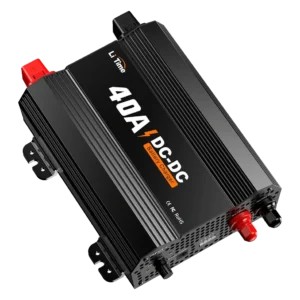
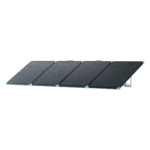
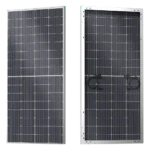
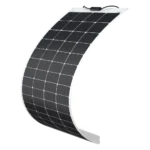
Renogy sells portable solar panels, rigid solar panels, and flexible solar panels; LiTime does not, in the products we scored.

Which Renogy and LiTime power inverters should I buy?

Renogy: Renogy 3000W 12V Pure Sine Wave Inverter with UPS Transfer Switch and Bluetooth. LiTime: LiTime 2000W 12V Pure Sine Wave Inverter.

How does Stuff VS Things score Renogy and LiTime?

Our own product medians: 58 Renogy and 25 LiTime. A criterion is compared only where both brands clear the floor.

Other comparisons

Scores calculated 12 October 2026 · Products excluded where fewer than two independent sources cover them ·  · How we score

Stuff VS Things
Logo
Compare items
  • Total (0)
Versus
0
Shopping cart