
Brand comparison
EcoFlow vs Renogy
EcoFlow scores 5.5 across 12 products; Renogy scores 5.4 across 58. They overlap in portable solar panels. That is 33% of what EcoFlow sells and 14% of what Renogy sells. EcoFlow leads on operating range, Renogy on capacity.
 All 13 EcoFlow products
EcoFlow
12 of 13 products scored · $199 – $16,999
Buy Now- Operating Range — 8.0 against 5.0
- Features — 8.5 against 5.5
- Warranty & Support — 6.0 against 4.0

 All 58 Renogy products
Renogy
58 of 58 products scored · $90 – $1,089
Buy Now- Capacity — 5.0 against 4.0
- Lifespan — 4.5 against 3.5
- Efficiency — 5.0 against 4.5
These two are tied across everything we scored.
Both brands also sell into Rigid Solar Panels and Flexible Solar Panels. Neither side carries enough scored products there for a median we would publish, so this comparison does not cover them.
Too close to call
Level on the overall score. The trade-offs below decide it.
Pick EcoFlow when
Operating range matters most8.0vs5.0
Pick Renogy when
Capacity matters most5.0vs4.0
Scored 15 October 2026 from published specs and owner reviews. We don't buy or test units. How we score
Most common complaints
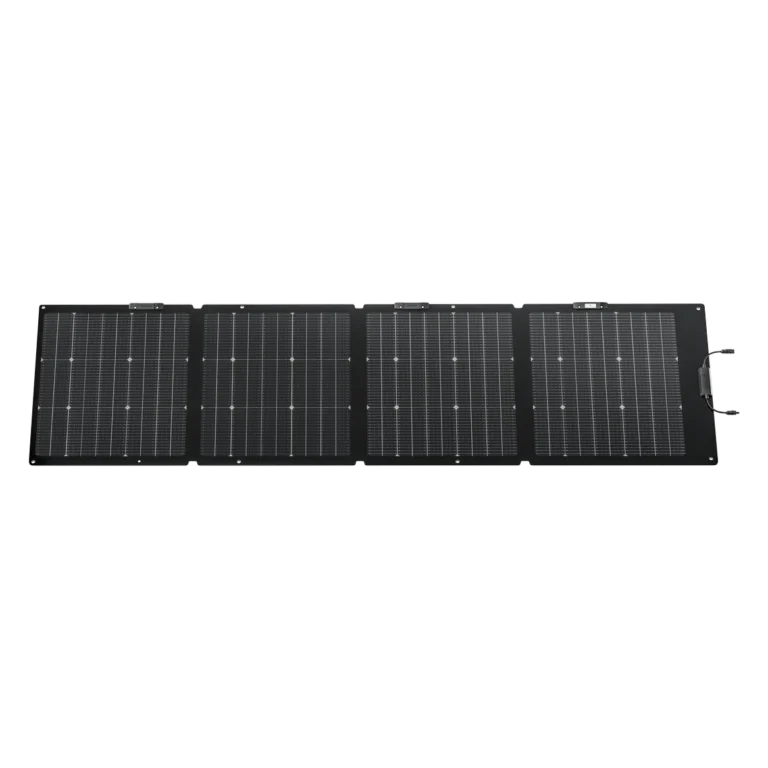
EcoFlow NextGen 220W Bifacial Portable Solar Panel
Overall score 6.3- Slower to set up than panels with built-in handles
- No cover for the solar connectors
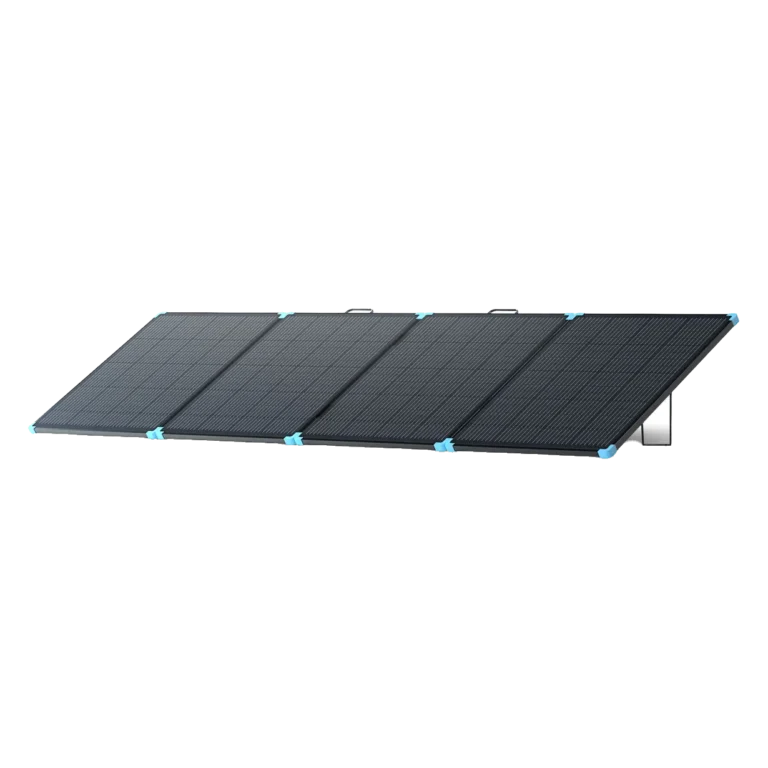
Renogy 400W Lightweight Portable Solar Suitcase
Overall score 6.0- 47.2 V open-circuit too high for two in series on a 60 V station input, per one owner
- Penny-sized patch of leftover coating on a cell on delivery, per one owner
From owner reviews of each brand's top-scored product in Portable Solar Panels.
Usability EcoFlow and Renogy, median scores 0 to 10
Median scores on a 0–10 scale.
Operating RangeEcoFlow: 8 (higher)Renogy: 5
EcoFlow top-scored: NextGen 220W Bifacial Portable Solar Panel
- Pmax coefficient of −0.30 %/°C, on the −0.27 to −0.30 rung
- Temperature: rated for −4 to 185 °F ambient
Renogy top-scored: 400W Lightweight Portable Solar Suitcase
No notes for this one.
FeaturesEcoFlow: 8.5 (higher)Renogy: 5.5
EcoFlow top-scored: NextGen 220W Bifacial Portable Solar Panel
- IP68, bifacial, glass and ETFE, XT60i cable, stand and case; no diode count
- Stand: integrated 30 to 60 degree bracket with a solar angle guide
Renogy top-scored: 400W Lightweight Portable Solar Suitcase
- IP67-or-better panel, IP68 connectors, ETFE front and kickstands earn 4 of 8
- Missing: no bifacial cells, no station adapter and no published bypass-diode count
- Voltage: 47.2 V open-circuit; two in series reach 94.4 V
Warranty & SupportEcoFlow: 6 (higher)Renogy: 4
EcoFlow top-scored: NextGen 220W Bifacial Portable Solar Panel
- 12 months on the product page and in EcoFlow's US warranty policy
- Policy: EcoFlow's US policy gives its portable panels 12 months
Renogy top-scored: 400W Lightweight Portable Solar Suitcase
- 3 years on materials and workmanship, on spec table and schedule
- Conflict: the page headline adds a 2-year extension the spec table does not carry
- Earlier: Renogy's 2024 warranty schedule gave 5 years
CapacityEcoFlow: 4Renogy: 5 (higher)
EcoFlow top-scored: NextGen 220W Bifacial Portable Solar Panel
- 220 W rated front side, on the 220 to 299 W rung for portable panels
- Electrical: 18.4 V and 11.9 A at maximum power, 21.5 V open circuit
- Rear side: rated 175 W, bifaciality 80 percent ±5
Renogy top-scored: 400W Lightweight Portable Solar Suitcase
- 400 W, the top rung for a portable panel
LifespanEcoFlow: 3.5Renogy: 4.5 (higher)
EcoFlow top-scored: NextGen 220W Bifacial Portable Solar Panel
- No power-output warranty in EcoFlow's US policy or the manual
Renogy top-scored: 400W Lightweight Portable Solar Suitcase
- December 2025 warranty schedule gives 10 years to 90 percent output
- Steps: 5 years to 95 percent
- Not scored: operating range, since Renogy publishes no temperature coefficient
EfficiencyEcoFlow: 4.5Renogy: 5 (higher)
EcoFlow top-scored: NextGen 220W Bifacial Portable Solar Panel
- 16.6 percent computed from 84.8 x 24.2 in, on the 16 to 16.9 percent rung
- Marketed: 25 percent efficiency, against the computed module figure
Renogy top-scored: 400W Lightweight Portable Solar Suitcase
- 400 W from 2.838 by 0.855 m unfolded works out to 16.5 percent
- Advertised: Renogy advertises 23 percent
- Fit: above the 15 to 16 percent typical of folding panels
Same score
VerificationEcoFlow: 2Renogy: 2
EcoFlow top-scored: NextGen 220W Bifacial Portable Solar Panel
- No directory listing for EF-Fold-G220-04; no certification claimed
- Searched: Intertek UL CEC LabTest TÜV SÜD Certipedia SGS
- Standard: UL 61730 needed for a listing
- Holder: EcoFlow Inc.
Renogy top-scored: 400W Lightweight Portable Solar Suitcase
- No certifier directory lists this model
Social score about EcoFlow and Renogy
Independent sources pooled per brand. N of M = how many scored products carry the brand-level reading shown, out of all scored.
RedditEcoFlow: 6 (higher)Renogy: 5
Renogy
Read the full summary
- Praised: in a July 2025 r/vandwellers thread one owner calls a Renogy 2000 W inverter fantastic
- Other owners: another reports a 2000 W inverter without issues after more than 4 years, and a third is in year three with a 3000 W inverter-charger working mostly flawlessly
- Terminal: in the same thread a full-timer's 3 kW inverter output terminal snapped while being wired
- Support: an owner with a full Renogy system since 2019 says the inverter-charger trips a 20 A shore circuit and a support ticket sat open over 30 days
- Dead on arrival: an r/solar post titled 'Avoid Renogy' reports a PUH 2000 W inverter dead on first use from bad soldering on the switch board (August 2025)
- Bonding: a 2020 r/vandwellers thread reported inverter-chargers whose automatic neutral-to-ground bonding circuit did not work
Brand rollup across scored products. 7 of 58 scored products carry this reading.
GoogleEcoFlow: 6 (higher)Renogy: 5
Renogy
Read the full summary
- Footprint Hero: links Renogy panels through Amazon and Renogy's own affiliate program Ranked Renogy's older 100 W mono panel first of five 100 W panels it tested
- Tests: 71.6 W peak in a December output test (2021) and 570 Wh over 24 hours against 490 Wh from a Newpowa (2023)
- DIY Solar Forum: a 2022 thread opens with an owner whose Renogy gear still works after a decade
- Low output: a thread titled 'I only get 85W out of my Two Renogy 100W panels' reports one panel as low as 40 percent of rating and four averaging 54 percent
Brand rollup across scored products. 7 of 58 scored products carry this reading.
YouTubeEcoFlow: 6.5 (higher)Renogy: 6
Renogy
Read the full summary
- Disclosure: both channels found carry a tie to the panels they review
- Freedom in a Can: passes on a 10 percent Renogy code through Renogy's affiliate link Found no delamination on two 100 W flexible panels after 9 months and 9,000 miles
- Johnny's Weekends: earns Amazon commission on the panels it links Found Renogy's 200 W flexible panel performed well but trailed a CIGS panel under shade (2023, about 128,000 views)
Brand rollup across scored products. 12 of 58 scored products carry this reading.
Same score
AmazonEcoFlow: 7Renogy: 7
Renogy
Read the full summary
- Pools: Renogy's LiFePO4 listings on Amazon US hold far smaller pools than its panels
- Core Mini 100Ah: 4.5 from 45 ratings, 83 percent five-star against 9 percent one-star
- Pro 100Ah: 4.4 from 10
- DuoHeat 100Ah: the DuoHeat Core Mini 100Ah reads 4.0 from 9, split 76 percent five-star against 24 percent one-star
Brand rollup across scored products. 4 of 58 scored products carry this reading.
Not enough data for either brand
- Owner reviewsEcoFlow: not scoredRenogy: not scored
The scores above are our reading of the evidence below. This is the evidence.
Safety listings are recorded per product from the certifier's own directory, by model, not from the maker's wording. Most of the listings in this category can be checked in Intertek's directory of listed products.
Warranty terms
EcoFlow
12 of 12
Renogy
58 of 58
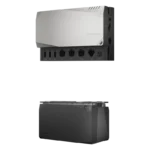
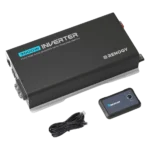
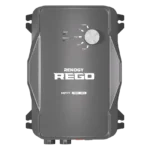
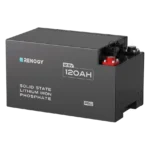
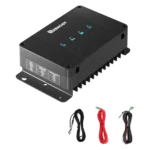
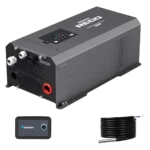
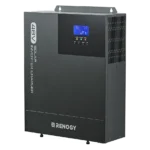
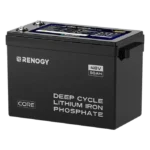
What only EcoFlow sells — and only Renogy
Not a loss for either brand. If you need one of these, the choice is already made.
Best EcoFlow vs best Renogy, category by category
The three best-scoring products each brand sells in every category they both compete in, ranked by overall score.
Portable Solar Panels
See all Portable Solar Panels products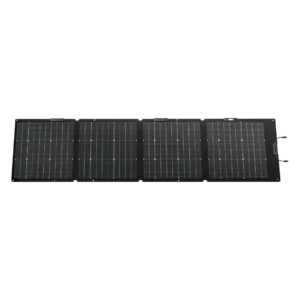
1st of 18 in Portable Panels
Strengths
- Bifacial cells add output from reflected light
- Fully waterproof and dustproof
- Glass-and-ETFE front with a built-in stand
- Above-typical efficiency for a folding panel
Drawbacks
- No power-output warranty
- Shortest warranty term on EcoFlow's panel range
- Included station cable fits XT60 inputs only
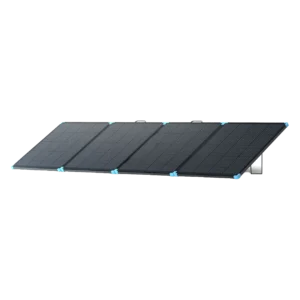
2nd of 18 in Portable Panels
Strengths
- Above-typical efficiency for a folding panel
- 400 W from one case
- A kickstand on each section
- Well sealed panel and connectors
Drawbacks
- No temperature coefficient published
- Heavy to carry
- High voltage limits series wiring
- No charge controller in the base SKU
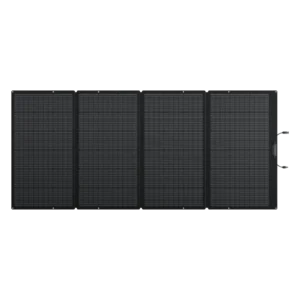
4th of 18 in Portable Panels
Strengths
- Most watts from a single folding panel
- Fully waterproof and dustproof
- Carry case doubles as an adjustable stand
Drawbacks
- Heavy for a portable panel
- Module efficiency well below the marketed figure
- Output drops faster in heat than newer cells
- No power-output warranty and a short term
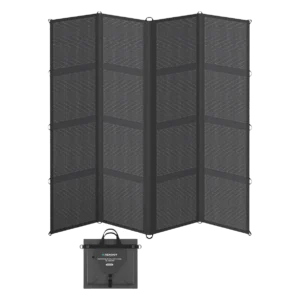
3rd of 18 in Portable Panels
Strengths
- High output for its weight
- Folds compact
- Runs part-unfoldedper Renogy
- Splash-proof rating
Drawbacks
- Efficiency well below the advertised cell figure
- Needs a large patch of ground unfolded
- No power-output warranty
- No temperature coefficient published
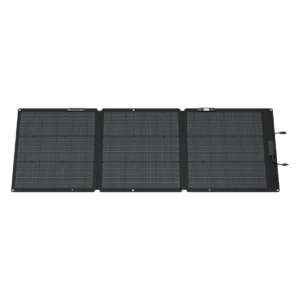
6th of 18 in Portable Panels
Strengths
- Above-typical efficiency for a folding panel
- Holds its output well in heat
- Weatherproofwith an ETFE front
- Built-in stand and sun-angle guide
Drawbacks
- No power-output warrantyand a one-year product warranty
- Single-sidedwith no bifacial gain
- Owners report a kickstand that bends
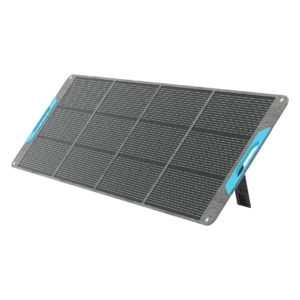
5th of 18 in Portable Panels
Strengths
- Tested output close to its rating
- Charges devices from the panel
- Adjustable kickstands
- Folds compact with a magnetic closure
Drawbacks
- Low whole-panel efficiency
- No power-output warranty
- Short warranty
- Less weather sealing than rivals tested
EcoFlow vs Renogy: the numbers
EcoFlow vs Renogy: common questions
Is EcoFlow or Renogy better?
EcoFlow 5.5 from 12 scored products; Renogy 5.4 from 58. Level on overall score — the difference is in the criteria.
What is the biggest difference between EcoFlow and Renogy?
Operating Range: EcoFlow medians 8.0, Renogy medians 5.0 (EcoFlow by 3.0).
Which is better for features, EcoFlow or Renogy?
EcoFlow on features — EcoFlow 8.5, Renogy 5.5.
Which is better for warranty & support, EcoFlow or Renogy?
EcoFlow on warranty & support — EcoFlow 6.0, Renogy 4.0.
What does EcoFlow make that Renogy does not?
EcoFlow sells integrated power systems; Renogy does not, in the products we scored.
What does Renogy make that EcoFlow does not?
Renogy sells power inverters, charge controllers, lifepo4 batteries, dc-dc chargers, inverter-chargers, all-in-one off-grid inverters, and server-rack and wall batteries; EcoFlow does not, in the products we scored.
Which EcoFlow and Renogy portable solar panels should I buy?
EcoFlow: EcoFlow NextGen 220W Bifacial Portable Solar Panel. Renogy: Renogy 400W Lightweight Portable Solar Suitcase.
How does Stuff VS Things score EcoFlow and Renogy?
Our own product medians: 12 EcoFlow and 58 Renogy. A criterion is compared only where both brands clear the floor.
Other comparisons








Scores calculated 15 October 2026 · Products excluded where fewer than two independent sources cover them · · How we score