
Product comparison · Reverse Osmosis
APEC RO‑QUICK90 vs iSpring RCC7P
The APEC RO-QUICK90 scores 5.6 and ranks 47th of 69 in Reverse Osmosis; the iSpring RCC7P scores 5.9 and ranks 40th of 69 in Reverse Osmosis. The RO-QUICK90 leads on value, the RCC7P on contaminant reduction.
 All 22 APEC Water Systems products
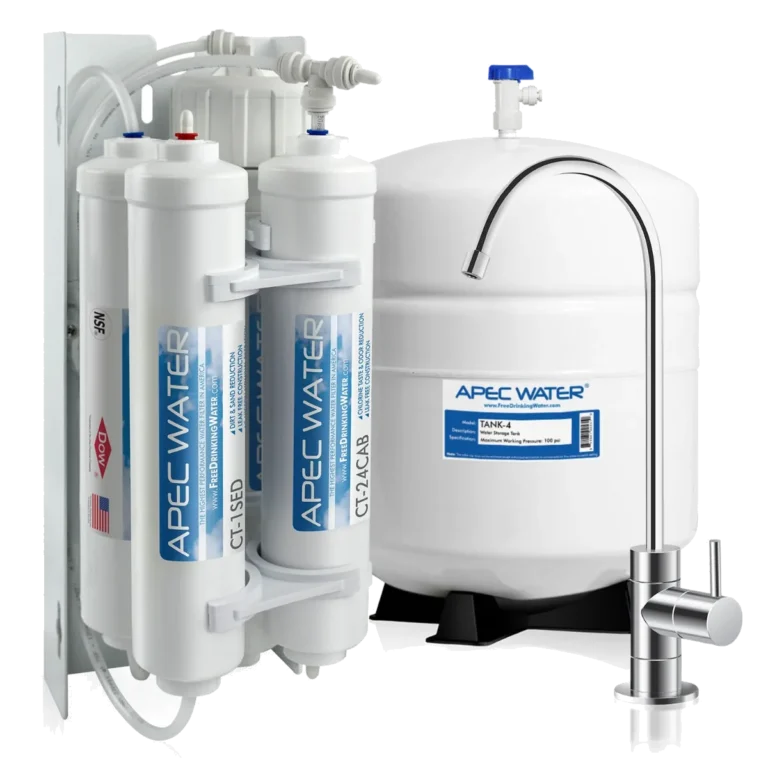
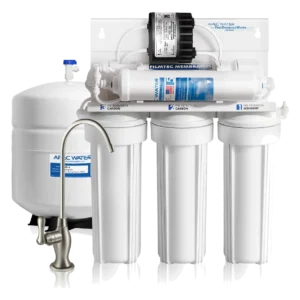
APEC RO‑QUICK90
$250 · 47th of 69 in Reverse Osmosis
Buy Now- Value — 7 against 5
- Warranty & Support — 3 against 1

 All 24 iSpring products
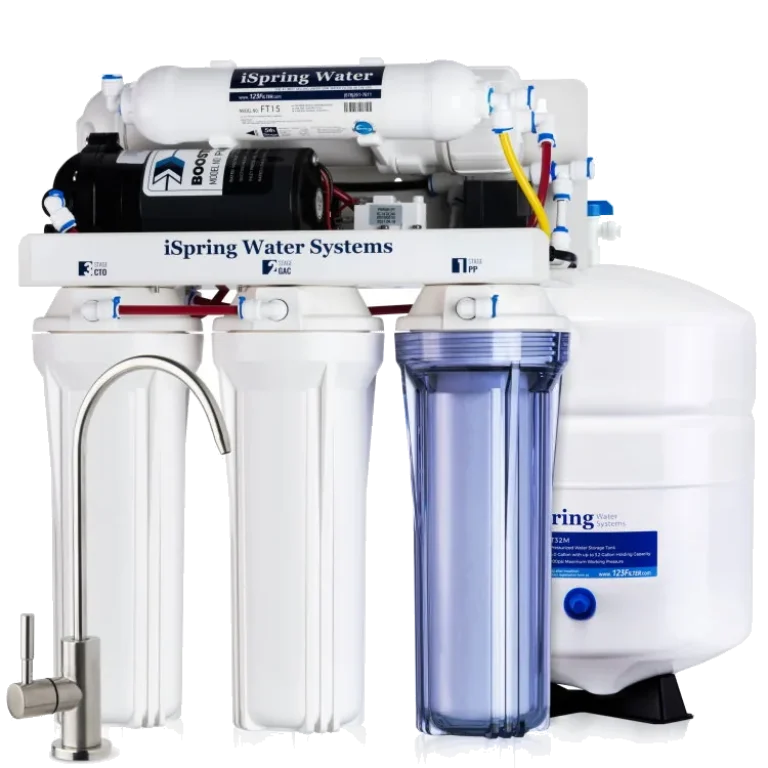
iSpring RCC7P
$364 · 40th of 69 in Reverse Osmosis
Buy Now- Contaminant Reduction — 8 against 7
- Flow Rate — 6 against 5
Across everything we scored, iSpring RCC7P sits 0.25 ahead — led by contaminant reduction.
Verdict
RCC7P ahead · +0.25 (5.9 vs 5.6)Pick the APEC RO-QUICK90 when
Warranty & support matters3vs1
Value matters7vs5
Ease of installation matters8vs7
Pick the iSpring RCC7P when
Flow rate matters6vs5
Contaminant reduction matters8vs7
Scored 16 September 2026 from published specs and owner reviews. We don't buy or test units. How we score
Usability APEC RO-QUICK90 and iSpring RCC7P, scored 0 to 10
ValueAPEC RO-QUICK90: 7 (higher)iSpring RCC7P: 5
APEC RO‑QUICK90
Nothing recorded.
iSpring RCC7P
- Running costs are the lowest in the tanked line at roughly $49 to $75 a year, because there is no alkaline cartridge and no UV lamp to replace.
Contaminant ReductionAPEC RO-QUICK90: 7iSpring RCC7P: 8 (higher)
APEC RO‑QUICK90
- Its weakest is that it drops to four stages while keeping the same 90 GPD rating, so one carbon block is gone from the pre-treatment path.
- The buyer is trading a filtration stage and a WQA listing for cabinet space and easier maintenance, which is a reasonable swap for a renter and a poor one for anyone buying on contaminant reduction.
iSpring RCC7P
Nothing recorded.
Warranty & SupportAPEC RO-QUICK90: 3 (higher)iSpring RCC7P: 1
APEC RO-QUICK90: 2 Years · iSpring RCC7P: 1 Year.
- Flow RateAPEC RO-QUICK90: 5iSpring RCC7P: 6 (higher)
- Ease of InstallationAPEC RO-QUICK90: 8 (higher)iSpring RCC7P: 7
Same score
Certification CoverageAPEC RO-QUICK90: 2iSpring RCC7P: 2
APEC RO‑QUICK90
- It also carries no certification, which puts it behind the cheaper ROES-50 on the only axis APEC can actually evidence.
iSpring RCC7P
- Like the other pumped build it is not in NSF's listing for the company, so the pump costs the certification the pumpless RCC7 carries.
- Filter LifeAPEC RO-QUICK90: 5iSpring RCC7P: 5
- Build QualityAPEC RO-QUICK90: 7iSpring RCC7P: 7
Social score about the APEC RO-QUICK90 and the iSpring RCC7P
RedditAPEC RO-QUICK90: 5iSpring RCC7P: 7 (higher)
The APEC RO-QUICK90 reading covers the whole brand; the iSpring RCC7P reading covers its product line.
APEC RO‑QUICK90
Read the full summary
- Brand-level.
- Compact tank systems come up on r/WaterTreatment as a cabinet-space question, and APEC is named inside those threads without owner reports of this model.
- The brand-level pool is dominated by leak and cracked-housing complaints on the full-size tank systems.
iSpring RCC7P
Read the full summary
- Product-line.
- The pumped builds are not discussed as their own models; what r/WaterTreatment does carry, repeatedly, is the problem they solve, with low-flow threads on the pumpless chassis resolving to storage tank pressure at 5.5 psi against a 7 psi specification.
- The chassis pool underneath is split between an owner lab report showing arsenic to non-detect below 2 ppb and a leak cluster at faucet handles and housing joints after cartridge changes.
- Early failure of the pressurised storage tank also appears, which is the component a booster pump loads hardest.
GoogleAPEC RO-QUICK90: 6iSpring RCC7P: 6
The APEC RO-QUICK90 reading covers the whole brand; the iSpring RCC7P reading covers its product line.
APEC RO‑QUICK90
Read the full summary
- Brand-level.
- Written coverage concentrates on the volume sellers.
- No source has compared this four-stage path against the five-stage models or examined why it holds no certification when the cheaper ROES-50 does.
iSpring RCC7P
Read the full summary
- Product-line.
- Independent coverage of the RCC7 chassis disagrees with itself and the disagreement is the finding.
- TechGearLab lab-tested the alkaline build at 91 out of 100 and ranked it third of thirteen, measuring 100 percent removal of lead, arsenic, uranium and lithium.
- WaterFilterGuru scored the base chassis 6.64 overall with contaminant reduction at 5.25, measured production at roughly 35 gallons a day against a 75 GPD rating, and recorded vanadium and arsenic appearing in the filtered water.
- RO-System.org has withdrawn its recommendation of the base model outright, on the grounds that similar money now buys a more efficient system with a better warranty.
- This model is not separately covered by any of the three.
YouTubeAPEC RO-QUICK90: 5iSpring RCC7P: 6 (higher)
The APEC RO-QUICK90 reading covers the whole brand; the iSpring RCC7P reading covers its product line.
APEC RO‑QUICK90
Read the full summary
- Brand-level.
- No independent channel has tested this model.
- The score reflects the brand-level pool rather than anything measured on this SKU.
iSpring RCC7P
Read the full summary
- Product-line.
- BOS Water lab-tested the alkaline build of this chassis, which shares this system's core stages, and published the reports; it sells that build under an exclusive discount code.
- Reduction was strong across most contaminants; the same lab work found boron rising from 0.005 to 0.17 ppm in the filtered water, vanadium at 0.02 ppm where none was present in the feed, and trace aluminium, all below the strictest guidelines cited and none of it in the manufacturer's account.
- A second video from the same channel ran that build against the APEC ROES-50 across installation, daily use and lab results and scored the iSpring 3.94 out of 5.
- No independent channel has tested this model specifically.
AmazonAPEC RO-QUICK90: 7iSpring RCC7P: 7
The APEC RO-QUICK90 reading covers the whole brand; the iSpring RCC7P reading covers its product line.
APEC RO‑QUICK90
Read the full summary
- Brand-level.
- This model has no readable rating on its own Amazon listing and no direct sibling that does.
- Amazon's brand panel renders in two forms across APEC's listings: a proportion line reading 91 percent of ratings for the brand at 4-plus stars over 50,000-plus orders in the trailing three months, and a badge form carrying Highly Rated, Trending and Low Returns with no denominator.
- The proportion form is the scoreable one and is what carries here.
iSpring RCC7P
Read the full summary
- Product-line.
- This model's Amazon listing exists and publishes no rating in readable form, so the figure below is the chassis rather than the product.
- The pumpless alkaline build of the same platform holds 4.6 out of 5 across 21,461 ratings with 2,000-plus units sold in the past month, and the colour variants of that build share one review file.
- Amazon's brand panel puts 91 percent of iSpring ratings at four stars or better over 100,000-plus orders in the trailing three months.
Owner reviewsAPEC RO-QUICK90: 8 (higher)iSpring RCC7P: 7
APEC RO‑QUICK90
Read the full summary
- Home Depot reads 4.5 across 21 reviews on the RO-QUICK90, a thin pool but above the ten-review floor and the only product-level figure this model has anywhere.
- Trustpilot's brand profile sits at 4.1 from 658 reviews.
iSpring RCC7P
Read the full summary
- Home Depot lists the RCC7P at 4.8 out of 5 across 120 reviews with a 98 percent recommend rate, and it is the only tanked iSpring whose Home Depot file returns its own figures rather than pooling with its siblings.
- The pool is mixed, because iSpring's own attribution line appears against individual reviews on this retailer's iSpring pages, so the recommend rate is the figure recorded and the star average is not.
- A 98 percent recommend rate is the highest in iSpring's Home Depot record and the figure is scored a band below what an independently collected pool would earn.
Unless a row says otherwise, both readings are about these exact models.
APEC RO-QUICK90 vs iSpring RCC7P: pros and cons
APEC RO‑QUICK90
Overall score 5.6Strengths
- Twist cartridges make a filter change a one-minute job
- 90 GPD production rate matches the larger Ultimate models
- Cheapest system in the Ultimate line
- Assembled in California with lifetime technical support
- Compact frame fits cabinets that will not take a full Ultimate system
Drawbacks
- No certification of any kindunlike the cheaper ROES-50
- Four stages rather than fivewith one carbon block removed from pre-treatment
- Warranty is one year unless registered within eight weeks
- Drain ratio is unchanged from the unpumped Ultimate models
- Quick-change cartridges are proprietary and cost more than standard housings over time
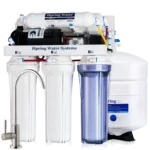
iSpring RCC7P
Overall score 5.9Strengths
- Transparent first-stage housing allows filter inspection without opening it
- Booster pump reaches up to 1.5:1 pure-to-wasteroughly four times better than the RCC7
- Works on supply pressure below 40 psi where pumpless systems struggle
- Cheaper annual filter cost than the alkaline models at roughly $49 to $75
Drawbacks
- Requires a 100-240V outlet under the sink
- 30.1 lbover five pounds heavier than the pumpless RCC7
- Produces flat-tasting water with no remineralization stage
- Only about $14 cheaper at list than the RCC7P-AKwhich adds the alkaline filter
- Manufactured in China rather than Taiwan like the pumpless RCC7 systems
- Warranty is 1 year and requires product registration to activate
- Push-to-connect fittings leak on initial installation for a minority of buyers
- Not designed to disinfect water or treat microorganisms
- Not listed in NSF's certification databaseunlike the pumpless RCC7 systems it is built on
APEC RO‑QUICK90 vs iSpring RCC7P: the numbers
Price, scores and rank, then only the specs that differ. Green marks the side with more.
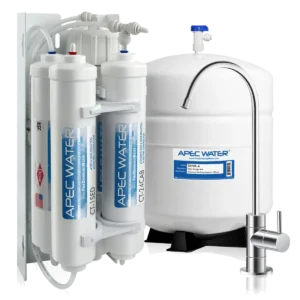
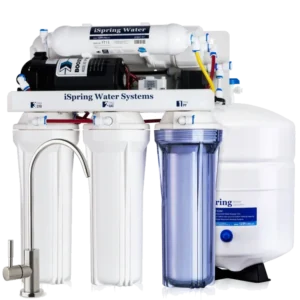
40th of 69 in Reverse Osmosis
BothArsenicChlorineChromiumFluoridePFASTDSLead
- WarrantyAPEC More2 YearsiSpring1 Year
- DimensionsAPECNot listediSpring15.50" x 5.10" x 19.00"
- WeightAPEC19 lb (shipping)iSpring30.1 lb
- Made inAPECUSAiSpringChina
Same on both
- Carbon Block, Granular Activated Carbon, Reverse Osmosis, SedimentFiltration
- Not certifiedCertifications
- Under 100 GPDFlow rate
- 6-12 monthsFilter life
- Point of use fittingConnection
- BPA-Free PlasticHousing
We earn a commission if you buy through these links. It never changes a score.
Not sold on either one?
The top-scored and the cheapest other pick from each brand.
More from APEC Water Systems 13 scored in Reverse Osmosis
- Filtration: adds Alkaline Remineralization
- Certifications: adds NSF/ANSI 58
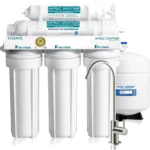
- Certifications: adds NSF/ANSI 58
- Removes: adds Heavy metals and Microplastics
More from iSpring 23 scored in Reverse Osmosis
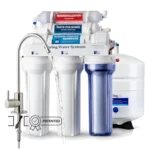
- Filtration: adds Alkaline Remineralization
- Certifications: adds NSF/ANSI 58
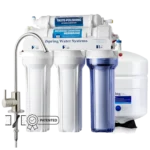
- Certifications: adds NSF/ANSI 58
APEC RO‑QUICK90 vs iSpring RCC7P: common questions
Is the APEC RO-QUICK90 better than the iSpring RCC7P?
On our scores, the iSpring RCC7P is ahead, 5.9 against 5.6. The iSpring RCC7P leads on contaminant reduction (8 against 7) and flow rate (6 against 5). The APEC RO-QUICK90 leads on value (7 against 5), warranty & support (3 against 1) and ease of installation (8 against 7).
Which is cheaper, the APEC RO-QUICK90 or the iSpring RCC7P?
The APEC RO-QUICK90, at $250 against $364: $114 less.
Which removes more contaminants, the APEC RO-QUICK90 or the iSpring RCC7P?
The APEC RO-QUICK90 lists 11 and the iSpring RCC7P lists 14, with 7 on both lists. Only the iSpring RCC7P lists Barium, Cadmium, Copper, PCBs, Selenium, Asbestos and Mercury.
Which has the longer warranty, the APEC RO-QUICK90 or the iSpring RCC7P?
The APEC RO-QUICK90: 2 Years, against 1 Year.
What do owners say about the APEC RO-QUICK90 and the iSpring RCC7P?
Across 5 independent sources scored for both, the APEC RO-QUICK90 is ahead on Owner reviews; the iSpring RCC7P is ahead on Reddit and YouTube; Google and Amazon are level.
More reverse osmosis comparisons
More head-to-heads with these two, plus the full brand comparison.
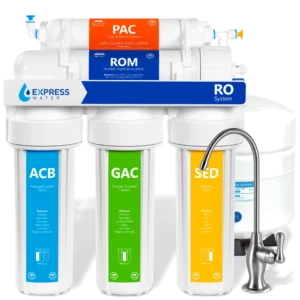
Scores calculated 16 September 2026 · Products excluded where fewer than two independent sources cover them · · How we score